

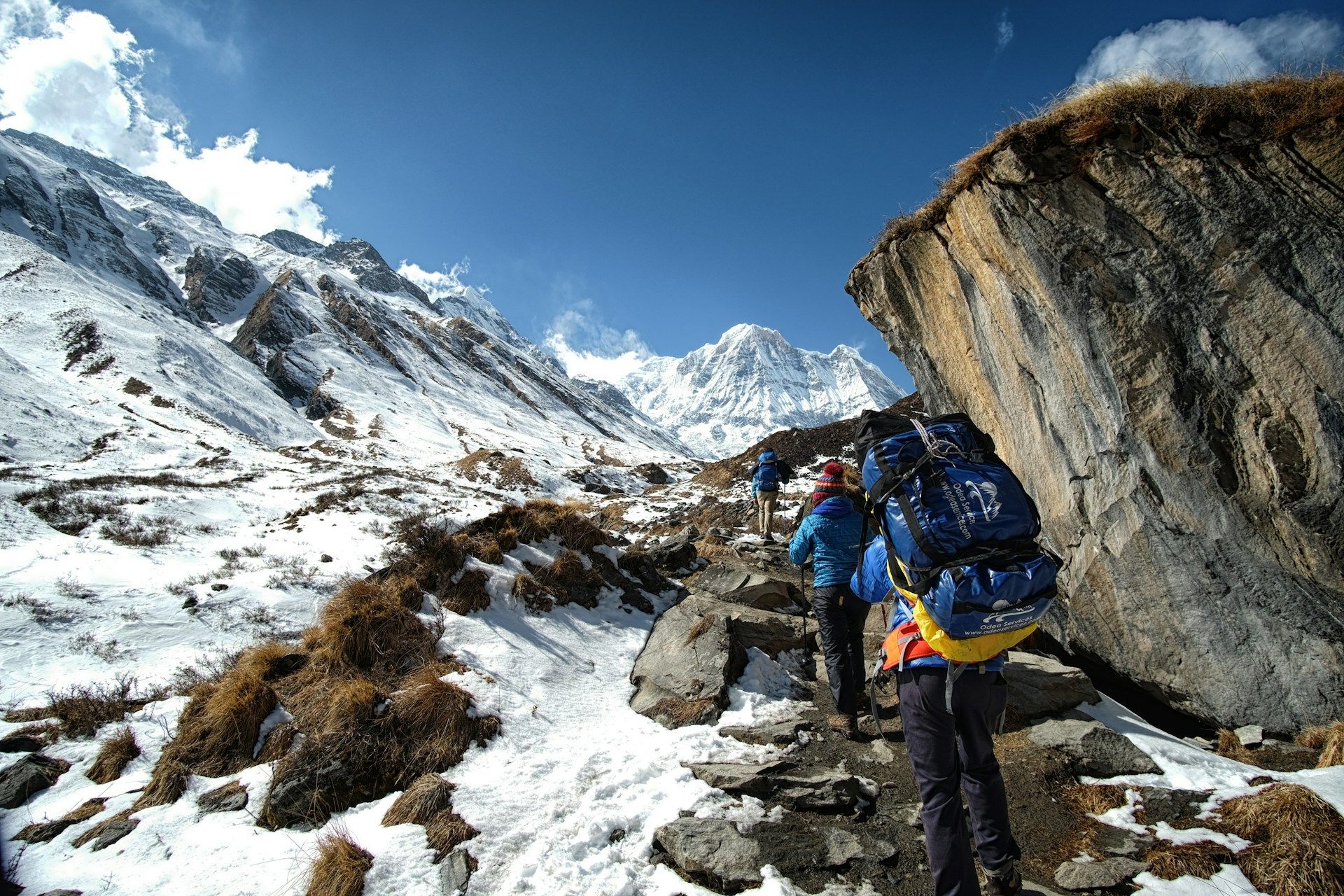
One of the best Himalayan treks in Nepal that comes with jaw-dropping mountain views, diverse scenery, and rich culture is the Annapurna Circuit Trek. However, you should train yourself properly for this because a wrong step in this direction can lead to unhygienic, uncomfortable travel or even end up ruining the whole trip. The majority of trekking problems arise from a lack of planning, equipment selection, pace of route, or complacency with regard to mountain conditions. By being aware of what makes these common errors, travelers are approaching the Annapurna Circuit Trek and usually find themselves in the Himalayas with increased confidence.
Never Go on That Trek Physically Out of Shape
One of the common mistakes for the Annapurna Circuit Trek is lack of proper training. A tour with some long walking days, climbing over high mountains and tough sections right up above 4,000 m that will test us all. Weight loss is all about some walking and hiking as well as power workouts that you can do in your house before departure. Having data over time makes sure the body is (hopefully) getting acclimatized to what we will face on the mountain ahead. With proper preparation, fatigue is limited, and trekkers can take on the trek in a much more enjoyable manner without having to fight off physical troubles.
Avoid Rushing the Trekking Schedule
One of the biggest mistakes trekkers make when creating an Annapurna circuit trek itinerary is that it is simply too fast. The strongest negatives of those routes? More travelling and less time to acclimatize. Particularly that between Thorong La Pass and going very high in the mountains, which needs to rise up slowly enough for passages of time for your body to adapt. Having an itinerary that is entirely possible with appropriate rest and acclimatization days will yield a safer and ultimately more enjoyable expedition. Relaxed speed for trekkers to enjoy landscapes, villages, and cultural experiences along the way.
Do Not Ignore Altitude Awareness
Like very similar considerations, thus altitude problems because of the Annapurna Circuit Trek. Some travelers will push through discomfort and continue on despite the effects of higher elevation. Among these are changes in altitude, warning signs, and a grace period. Through October 2023, you can drink fluids and avoid getting sick by taking it slow and steady, and when things are not normal, there is no that sort of harassment you face. Respecting the conditions of altitude does not lead to serious disruptions and therefore increases the safety of trekking.
Avoid Carrying an Overloaded Backpack
The Annapurna Circuit Trek gets it crammed way too much, while another important mistake is to do it. An overweight rucksack places unnecessary strain on muscles, specifically the ones all about hiking uphill mountains. Also, a range of travelers have numerous points that rarely use them; these things will only contribute to the exhaustion throughout the journey. Travellers, on the other hand, need to pack like they are going light, as they will be taking some gear and clothes along but also carrying supplies that are needed. A tidy bag will help distribute weight evenly, not just for walking but even a trek as well.
Improper trekking equipment
Trekking on the Annapurna Circuit Trek is challenging with unsuitable equipment. Remember that low-quality shoes or clothing that do not meet some basic equipment will only disrupt the comfort and security of your walk. What do trekkers carry: Trekking boots, layered warm clothes, waterproof cover, and the rest of the facilities. Another most common practice is to test the gear before and then go for its test on a trek route up to that point where it would become troublesome. Detailed prep of the gear can help in a smooth as silk Himalayan ride.
Avoid Ignoring Weather Conditions
Forecasts should never be neglected when taking the Annapurna Circuit Trek, as mountain weather can change very fast, and by neglecting forecasts, you will simply get into trouble. Trekkers need to be mindful of seasonal parameters if they want to stay warm as changes in weather conditions transpire. The autumn and winter months typically provide the finest examples of trekking, given that there are nevertheless chilly altitudes. Before facing temperatures, local travelers adjust around; they are on the way to read weather conditions in town and plan for what clothes to pack. Sausage by them is preferably comfortable and safe along their trip.
Do Not Forget Proper Hydration
If you don’t drink enough water while trekking on the Annapurna Circuit trek, several trekkers suffer from dehydration. On the other hand, you might lose water by sweat on long walking days, and that can be worsened with dry air at higher altitudes. A good drink by water and arm yourself for a good stock of hydration! Staying hydrated keeps energy levels sustainable, responds to altitude adjustment, and minimizes physical exhaustion. Hydration enhances trekking performance.
Caution with the foo food choice as well on the trail
Nutrition Will Be Key to Completing an Annapurna Circuit Trek. Some hikers simply do not eat sufficient food or consume calories in the form of foods that may not be enough to support several very long days of walking. The meal consists of carbohydrates and proteins. None save local foods such as dal bhat, soups, and rice-based meals will yield good energy. Eating meals helps with physical restoration and blue-collar sturdiness.
Do Not Ignore Foot Care
Trekking Annapurna in Nepal can be a veritable joy, however, and unfortunately, issues with the feet can ruin it all—nothing flat. As well as this, sore places and shoes can also be painful to walk every day. Wear tested boots & socks and keep feed hygiene of trekkers. Regular foot climbing You are trained through checking it daily. Search high for tiny complications; fix carefully and minimize maximal challenges. Great feet will be able to make long Himalayan climbs with no distress.
Never hike without taking some good travel insurance.
In reality, in high-altitude places, injuries or altitude issues can happen, and you may need the assistance of transport help to take you. Trekking insurance is additional safety during the whole trip. Having the right cover means travelers have a chance to pursue the adventure with stronger confidence and better preparations.
Do Not Skip The Local Girls
Alternatively, you could just do the Annapurna Circuit Trek and totally ignore professional advice or local knowledge. In addition, local guides are aware of the weather, trail conditions, and challenges on a mountain. The guidance they provide can prompt trekkers to make better decisions along the way. This means travelling is safer and richer, either alone or with a guide.
Relax about accommodation bookings at peak times.
During the high trekking season, accommodation can be hard to come by on the Annapurna Circuit Trek. Most a sage traveler is ill-prepared for the busy times. To avoid the problems, you have to know the route, trekking seasons, and teahouse options. Trekkers are very comfortable with laying out our first plans, and so instead of grumbling through a million small inconveniences on the walk, it would be better for you to plan as thoroughly in advance as possible.
Now use only technology
While the use of cell phones and digital maps is an option while navigating your adventure on the Annapurna Circuit Trek, pinning all of your trust within tech is a critical failure. It also badly suggests there are few connections through the mountain regions or less opportunity to charge. You should have important data in hand, familiarity with the track, and stay ready whilst no longer relying on devices so much. At least adequate knowledge of navigation and the local area will remain a great help while exploring in the Himalayas.
Avoid Ignoring Environmental Responsibility
Responsible trekking involves the need to protect the Annapurna region. Therefore, you must refrain from littering, destroying natural places, or neglecting the local culture. And trekkers will be required to remain environmentally conscientious, keep waste disposal in check and respect communities along the way. Your responsible behavior is what will keep the Annapurna Circuit Trek beautiful for generations to come.
Do not compare your speed with others.
Every single trekker has different skills, knowledge levels, and fitness conditions. Mistake No. 2: Compare your pace of walk with that of others who are roaming around, and this is tiring! Annapurna Circuit takes your own sweet time and comfy pace. However, celebrating individual progress but bringing them together as a team means the trekkers have just that little bit of focus and can relish in the journey without pressure.
Conclusion: Be smart to scale the Annapurna Circuit.
The Annapurna Circuit Trek in Nepal avoids these common mistakes and requires planning, awareness, and responsible decision-making. Proper fitness training, packing right, and being altitude ready, along with keeping yourself hydrated and respecting what the mountain holds for you, will help prepare you to conquer the mountain. With bad choices, poor planning, and hasty itineraries, travelers can enjoy the fantastic landscapes, unique experiences, and unforgettable moments of the Annapurna Circuit Trek. What is definitely a key point that gets stated here is the careful planning, which makes this memorable expedition into a successful endeavor in the Himalayas!